
Last updated September 10, 2026
Full 25-point door and opener safety check with every visit - springs, cables, rollers, tracks, and your LiftMaster or Chamberlain opener included
You get a price before we start. It does not change when the truck arrives.
 Before
 After
After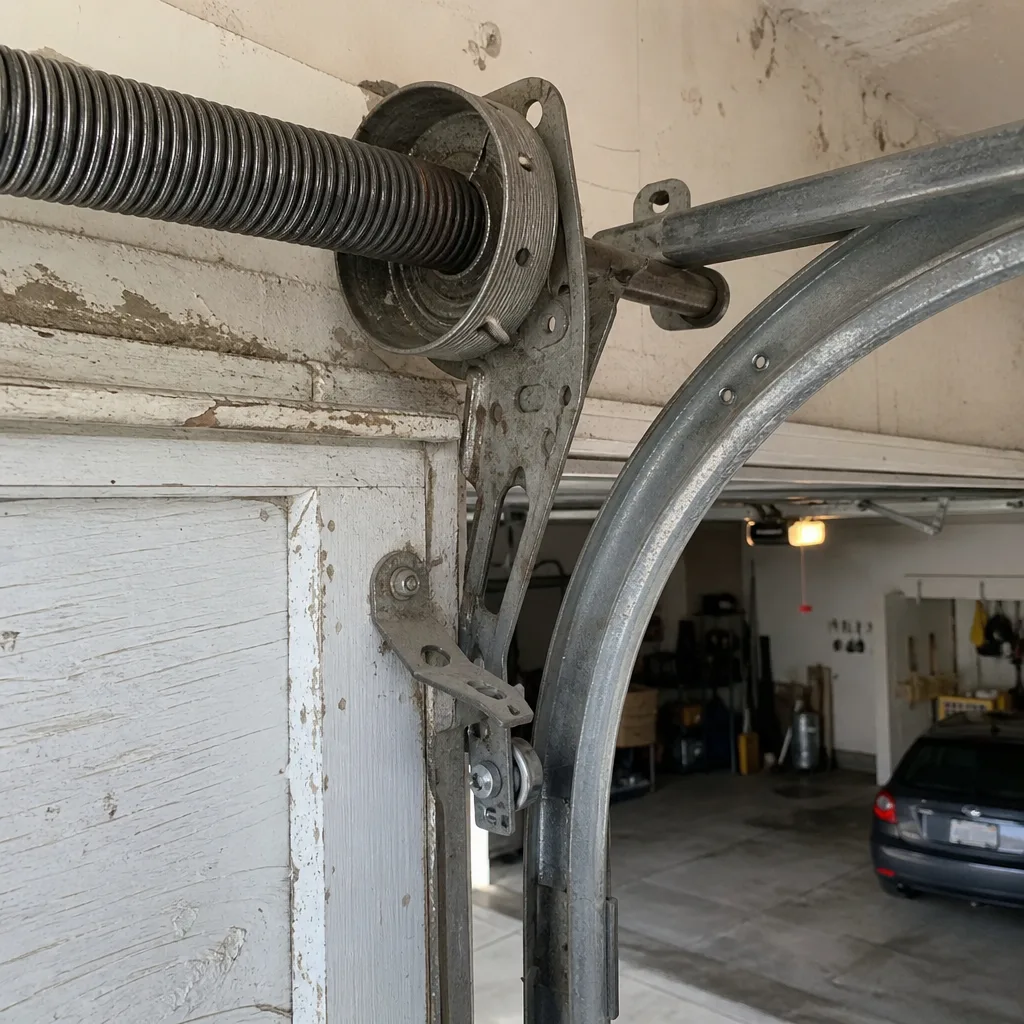 Before
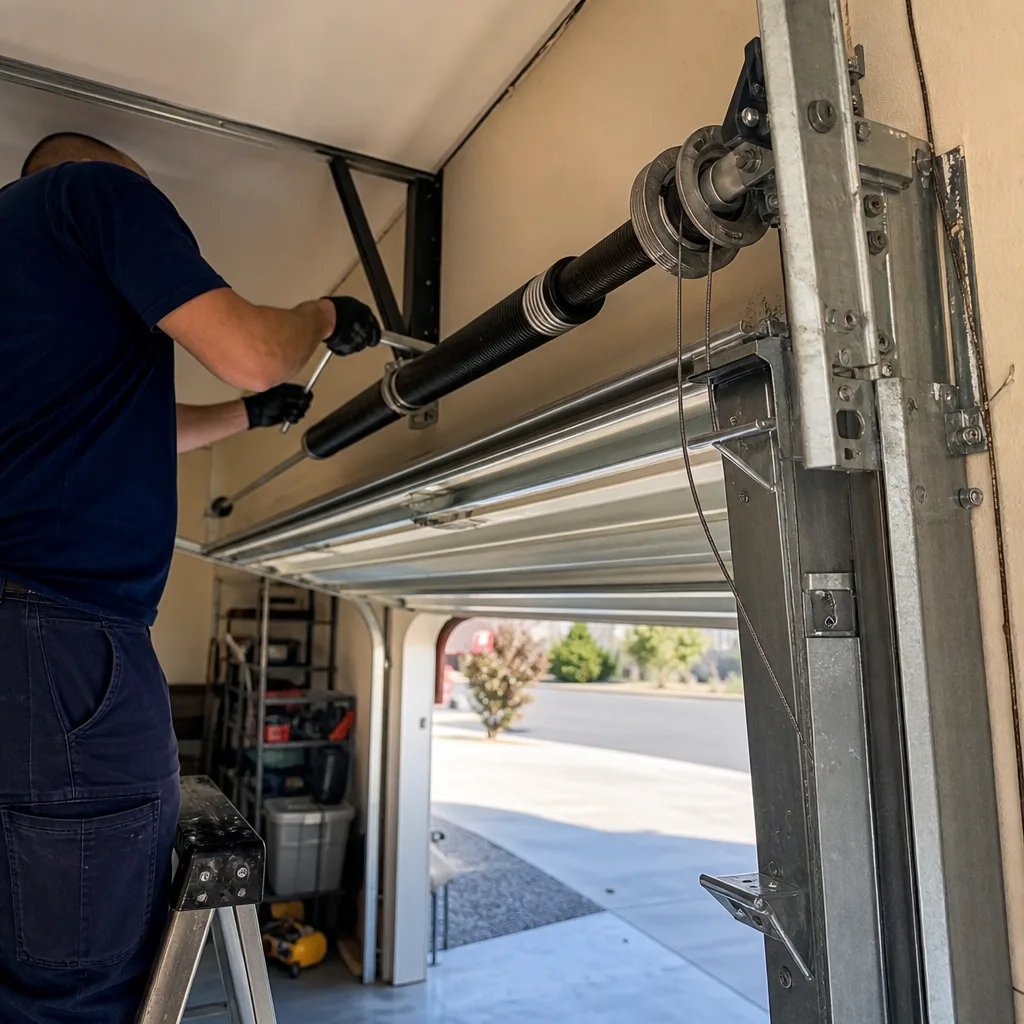 After
After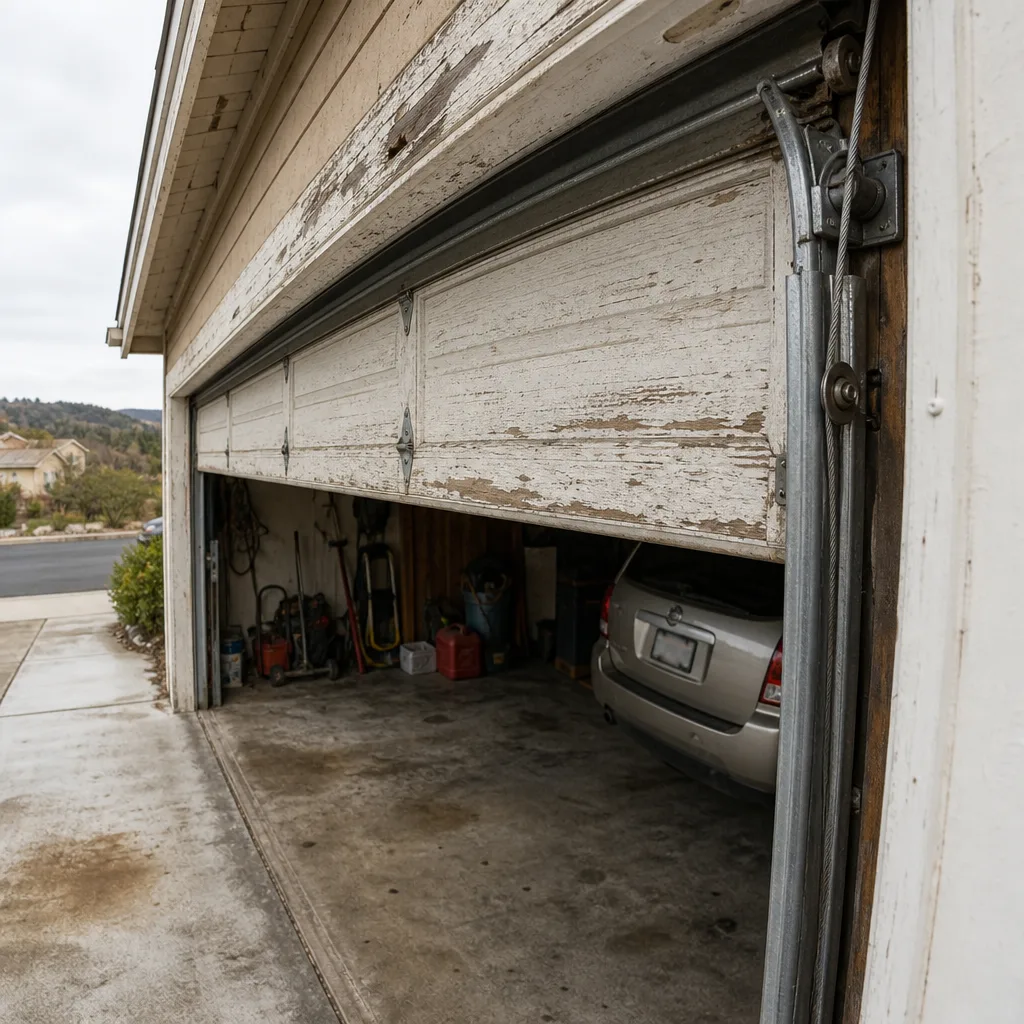 Before
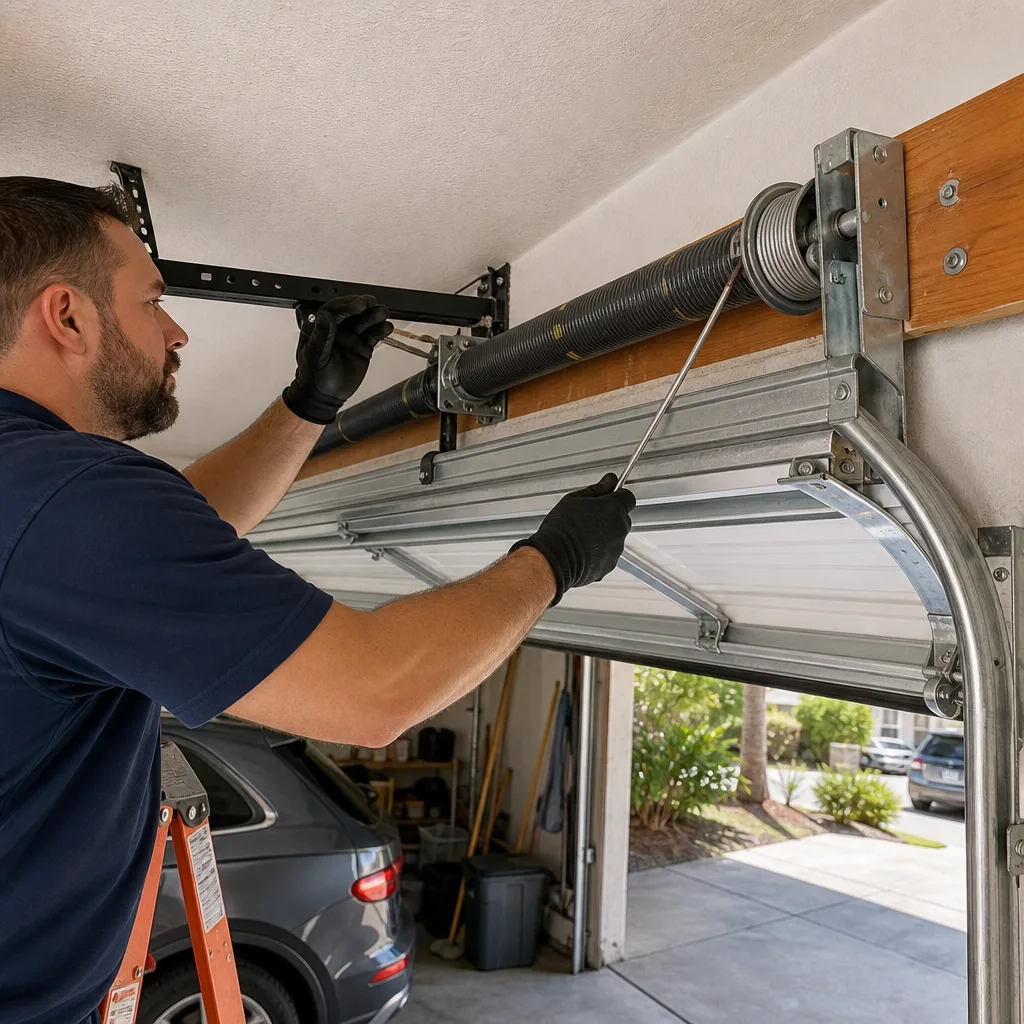 After
AfterGarage Door Permits, Codes & Inspections in CA: What You Need to Know
A garage door replacement sounds like a straightforward swap - until you sell the house and the disclosure form asks whether all alterations were permitted. The answer matters more than most contractors will tell you upfront. In California, an unpermitted garage door installation can stall a real estate transaction, trigger an insurance dispute, or leave you paying twice to bring the work up to code. We’ve been installing and repairing garage doors in Jamul since 2016, and we’ve seen permit issues surface at the worst possible moment: the week before closing, the morning after a storm damage claim, the day a buyer’s inspector flags a header that was never checked. This guide explains exactly when California requires a permit for garage door work, what inspectors verify, and how to protect yourself whether you hire Mainspring Garage Door Co. or another contractor.
Quick Answer
In California, a garage door permit is required when the project involves a new door opening, structural modification to the header or framing, conversion to a fire-rated or commercial door, or work on an accessory dwelling unit (ADU). A direct replacement of an existing residential door in the same opening typically does not require a permit, though local amendments in San Diego County and specific Jamul zoning areas may add requirements. Always verify with your local building department before work begins - the contractor’s assurance is not legal protection. For Garage Door Warning Signs: A Jamul Homeowner’s Reference Guide, see our related resource.
Table of Contents
- When Is a Garage Door Permit Required in California?
- San Diego County and Jamul Jurisdiction Nuances
- What a Garage Door Inspection Actually Checks
- How to Prepare for a Rough-In Inspection
- Unpermitted Work: Insurance and Real Estate Risks
- Who Pulls the Permit: Contractor vs. Homeowner Liability
- How to Confirm Permit Status Before Final Payment
- Common Mistakes to Avoid
- When to Call a Professional
- Frequently Asked Questions
When Is a Garage Door Permit Required in California?
California Building Standards Code (Title 24) governs garage door installations through the California Residential Code and California Building Code. The permit trigger is not the door itself - it is the nature of the work surrounding it.
A permit is required when any of these conditions apply:
- New opening creation: Cutting a new garage door opening into an existing wall, or enlarging an existing opening beyond its current dimensions. This triggers structural review of the wall’s load path.
- Header modification: Replacing, resizing, or relocating the structural header above the door. The header carries roof and second-floor loads; any change requires engineering verification.
- Fire-rated or commercial door installation: Doors rated for fire resistance (typically 20-minute rated) or commercial-grade doors exceed residential scope and fall under stricter code chapters.
- ADU or converted space: Garage conversions to living space, or ADU projects where the garage door becomes a conditioned boundary, require full permitting as part of the larger conversion.
- Wind load or seismic upgrade: In high-wind zones or certain seismic design categories, upgrading to a higher-rated door system may trigger permit requirements for anchorage verification.
- Electrical work: New opener circuits, subpanel additions, or wiring modifications require an electrical permit separate from the building permit.
A permit is typically NOT required for:
- Direct replacement of an existing residential garage door in the same opening, using the same track configuration and header, with no structural changes.
- Opener replacement on existing wiring and mounting.
- Spring, cable, roller, or hardware repair on an existing door system.
Here is where it gets complicated. California allows local jurisdictions to adopt amendments stricter than the state code. San Diego County has done exactly that in unincorporated areas, and Jamul sits within a patchwork of county land, tribal trust land, and small community planning areas. The “simple replacement” exemption that holds in Sacramento or Fresno may not hold on your specific Jamul parcel.
We’ve arrived at jobs in Jamul where a homeowner replaced their door three years prior, only to learn the previous contractor never pulled a required county permit. This is why we publish How to Hire a Garage Door Contractor in Jamul: A Step-by-Step Guide. The door was fine. The installation was competent. But the county had no record, and the absence became a problem when the owner applied for a solar permit and triggered a broader property inspection.
Key Takeaways:
- The permit trigger is structural change, not the door itself.
- Local amendments can override the simple replacement exemption.
- Electrical work always needs a separate electrical permit.
- When in doubt, a 10-minute call to the building department beats a 10-week delay later.
San Diego County and Jamul Jurisdiction Nuances
Jamul is not an incorporated city. It is an unincorporated community in San Diego County, which means building permits flow through the County of San Diego Department of Environmental Health and Land Use and Environment Group, not a city building department. This distinction matters for timeline, inspection scheduling, and which code amendments apply.
County vs. City: What Changes
Incorporated cities like El Cajon, La Mesa, or Chula Vista operate their own building departments with local amendments and inspectors. Unincorporated Jamul falls under county jurisdiction, which uses the base California codes with county-specific amendments. The practical differences include:
- Inspection scheduling: County inspectors cover larger geographic areas. Same-day or next-day inspections are less common than in city departments. Plan for 48-72 hour lead time.
- Fire hazard severity zones: Much of Jamul sits in a Very High Fire Hazard Severity Zone. Garage doors in these zones may need additional scrutiny for ember resistance, especially if the garage attaches to the main structure. The county may require wildland-urban interface (WUI) compliance documentation.
- Septic and well setbacks: For properties on septic systems, the county enforces setback requirements that can affect garage expansion or new construction near the door opening.
- Tribal land considerations: Portions of Jamul lie within Jamul Indian Village trust land. Tribal sovereignty means state and county permitting may not apply, or may apply differently. If your property is on tribal land, confirm jurisdiction with the tribal housing authority before proceeding.
Community Planning Areas
Jamul is part of the Jamul/Dulzura Community Planning Area, which has its own community plan guiding development. While the plan does not directly regulate individual garage door replacements, it does influence zoning enforcement priorities and how strictly the county applies certain aesthetic or setback standards. In practice, this means a permit application in Jamul may receive closer review for compliance with hillside development standards or scenic corridor protections than a similar application in flatter, more developed parts of the county.
We’ve worked throughout Jamul - from the valley floor near Lyons Valley Road to the ridgeline properties off Honey Springs Road. The county inspector who covers the valley may flag a door installation for WUI compliance that the same inspector would not question in San Diego proper. It is not inconsistency; it is the county applying zone-specific rules that homeowners and even some contractors do not know to anticipate.
How to Verify Your Jurisdiction
- Check your property tax bill or assessor’s parcel number (APN). Unincorporated county properties list “San Diego County” as the taxing jurisdiction.
- Call San Diego County Land Use and Environment Group at (619) 333-5822 with your APN. They will confirm whether your property requires county permits or falls under tribal or other jurisdiction.
- Ask specifically about garage door replacement exemptions. Do not accept a general answer about “minor repairs.” Request the code section or amendment that applies.
- Document the call: date, time, name of the staff member, and what they told you. This record protects you if a later inspector reaches a different conclusion.
What a Garage Door Inspection Actually Checks
Homeowners often picture an inspector admiring the paint color or testing the remote. A real garage door inspection - rough-in and final - is a systematic safety and structural verification. Understanding what inspectors check helps you prepare and helps you evaluate whether a contractor’s work will pass. Our Garage Door Repair Maintenance Checklist for Jamul Homeowners covers additional items to monitor.
Rough-In Inspection (if required)
The rough-in occurs before the door is hung, when framing and structural elements are exposed. The inspector verifies:
- Header sizing and bearing: The header must be engineered for the span and load above it. A 16-foot opening under a roof load requires a larger header than a 9-foot opening under a gable end. Inspectors check the stamp or grade mark on engineered lumber, or measure solid-sawn headers against span tables.
- King and jack stud configuration: Proper jack studs (trimmer studs) must support the header at each end, with king studs running full-height beside them. Missing or undersized jack studs are a common failure point.
- Framing connections: Nailing pattern, anchor bolt spacing, and hold-down requirements for seismic zones. San Diego County’s seismic design category demands specific hardware.
- Fire separation (if applicable): For attached garages, the wall between garage and living space must maintain fire resistance. Any penetration - including the door frame - must be sealed with approved fire-rated materials.
- Electrical rough (separate permit): If new wiring is run for an opener, outlet, or lighting, the electrical inspector checks gauge, grounding, GFCI protection, and conduit where required.
Final Inspection
The final inspection occurs after door installation is complete. The inspector verifies:
- Door operation: Smooth travel without binding, proper sealing against the stop, and correct spring tension for manual operation.
- Safety reversal system: All automatic doors must have a functioning photo-eye or edge sensor that reverses the door on obstruction. California requires this; it is not optional.
- Entrapment protection: Force settings must be calibrated so the door reverses within specified pressure limits. Inspectors test this with a 2×4 board or calibrated gauge.
- Labeling and ratings: Fire-rated doors must bear visible labels. Wind-rated doors must show the design pressure rating. The installed door must match the approved plans.
- Clearances and headroom: Minimum headroom for the track type, side room for track and spring hardware, and back room for door height plus opener rail.
- Structural anchorage: Track brackets, jamb brackets, and opener mounting must be secured to framing, not just drywall or trim.
In Jamul’s hillside zones, we’ve seen inspectors spend extra time on the header and anchorage. The combination of clay soils, seasonal moisture changes, and seismic risk means the county is cautious about anything that transfers load to the foundation. A door that operates smoothly but lacks proper track anchorage will fail final inspection.
Brands like Clopay and Wayne Dalton provide installation manuals with specific clearance and anchorage requirements. A competent installer follows these exactly, not approximately. The inspector will have seen enough installations to recognize shortcuts.
How to Prepare for a Rough-In Inspection
A failed rough-in inspection costs time and money. The county charges re-inspection fees, and your contractor may charge for return trips. Preparation prevents both.
Step 1: Confirm inspection requirements before work starts
Not every garage door project needs a rough-in inspection. If your project does - new opening, header change, structural modification - ask the county exactly what the inspector will want to see exposed. Typically: framing, header, hardware mounting points, and any penetrations. Do not hang drywall or install trim before the rough-in.
Step 2: Have approved plans on site
The inspector works from the plans you submitted with your permit application. Keep a copy at the job site, marked with the permit number. If plans changed during construction, submit an amendment before inspection. An inspector who finds work that does not match approved plans will fail the inspection.
Step 3: Verify header and framing before the inspector arrives
Check these yourself or ask your contractor to confirm:
- Header size matches the span table or engineered stamp in the plans.
- Jack studs are full-dimension, not ripped down, and bear directly on the bottom plate or sill.
- King studs run continuous from bottom plate to top plate.
- Cripple studs above the header are spaced per plan.
- Anchor bolts or hold-downs are placed per seismic requirements.
Step 4: Clear access and protect documentation
The inspector needs to see all sides of the opening. Move vehicles, storage, and materials back at least 10 feet. Have your permit card, approved plans, and any structural calculations in a clean, dry location. A soggy set of plans in a dusty garage does not inspire confidence.
Step 5: Schedule realistically
San Diego County offers online scheduling, but availability varies. In our experience, Jamul properties in the eastern inspection zone are typically scheduled Tuesday through Thursday. Monday and Friday slots fill first. Request your preferred date as soon as framing is complete, even if you think you need another day. You can reschedule if needed; you cannot move up if no slots remain.
Step 6: Be present or have your contractor present
California does not require the homeowner to be present, but someone who knows the project should meet the inspector. If the inspector has questions about a detail, a knowledgeable person can answer immediately. An empty garage with a note on the door invites a cursory inspection or a reschedule.
We’ve accompanied inspectors on hundreds of jobs. The ones that pass smoothly share common traits: clean work site, matching plans, contractor present, homeowner informed. The ones that fail usually have one of three problems: header undersized, anchorage to drywall instead of framing, or missing safety device wiring.
Unpermitted Work: Insurance and Real Estate Risks
This is the section most competitors skip, and it is the one that saves homeowners the most grief. An unpermitted garage door installation does not announce itself. The door works. The opener hums. Years pass. Then something happens.
Insurance Claim Denial
Homeowner’s insurance policies contain a standard provision: the insurer may deny claims for damage caused by, or occurring in connection with, unpermitted work. The logic is that unpermitted work was not inspected for safety, and the insurer should not bear risk that the building department never verified.
Consider a garage fire that spreads to the house. The fire investigator determines the origin was electrical - the new opener circuit installed without permit or inspection. Even if the circuit was not the primary cause, the insurer may dispute coverage based on the unpermitted modification. We have seen this exact scenario in San Diego County disputes.
Or consider wind damage. A garage door blows inward during a Santa Ana wind event, pressurizing the garage and lifting the roof. The insurer inspects and finds the door was a higher wind-rated model installed without permit in a high-wind zone. The claim adjustment reflects the unpermitted status, reducing or denying payout.
Real Estate Disclosure and Title Complications
California’s Transfer Disclosure Statement (TDS) and Seller Property Questionnaire (SPQ) ask directly whether all structural modifications and additions were properly permitted. Answering “don’t know” triggers buyer scrutiny. Answering “no” requires explanation and may trigger a price reduction or repair demand.
In Jamul’s active market, buyers increasingly use third-party permit history reports. These services scan county records and flag discrepancies. A “clean” permit history that suddenly shows a garage conversion or door modification without matching permits becomes a red flag that can stall escrow.
Even if the buyer proceeds, title insurance may exclude coverage for unpermitted work. If a future code enforcement action requires removal or modification, that cost falls to the owner without title insurance protection.
The Hidden Cost of “Saving” the Permit Fee
Permit fees for garage door work in San Diego County typically run $200-$500 depending on valuation. The cost of resolving an unpermitted installation discovered at sale can run $2,000-$5,000: permit fees, inspection fees, potential rework, and the holding cost of delayed closing. The math does not favor skipping the permit.
When we quote garage door installation in Jamul, we include permit costs transparently if permits are required. We also explain when they are not required. The flat price we state before work begins includes everything needed for a legal, insurable, sellable installation. No surprises on the bill, and no surprises years later.
Who Pulls the Permit: Contractor vs. Homeowner Liability
California Business and Professions Code Section 7110 requires that a licensed contractor pull permits for work they perform. The contractor’s license bond exists partly to ensure compliance with this obligation. Yet permit skipping remains common in garage door work, and homeowners rarely understand where liability lands.
The Contractor’s Legal Duty
A C-61/D-28 (garage door and gate) contractor or C-13 (flooring and floor covering, sometimes used for door work) who performs work requiring a permit must obtain that permit. This is not optional. It is not the homeowner’s responsibility to “remind” the contractor. The contractor who tells you “permits aren’t needed for this” without checking the code section is making a legal determination they may not be qualified to make - and exposing you to risk.
If a contractor performs work without a required permit, the contractor faces:
- Disciplinary action by the Contractors State License Board (CSLB), including license suspension or revocation.
- Civil liability for damages resulting from unpermitted work.
- Criminal charges in egregious cases involving structural safety.
The Homeowner’s Exposure
However - and this surprises many homeowners - the property owner also bears liability. Building codes apply to the property, not the person doing the work. An unpermitted installation can trigger:
- Code enforcement notices requiring correction at owner expense.
- Stop-work orders halting related projects (remodels, additions) until resolution.
- Reduced property value and marketability.
- Personal liability if unpermitted work injures someone.
The contractor’s insurance may not cover claims arising from unpermitted work, as the permit violation may void coverage. The homeowner’s policy may similarly exclude coverage. You can be left holding full financial responsibility for a contractor’s shortcut.
How This Plays Out in Practice
We’ve been called to Jamul properties where the previous homeowner hired a handyman from a classified ad. The handyman installed a door, collected cash, and disappeared. No permit, no invoice, no warranty. The current owner discovers the problem when trying to sell, and has no recourse against the original installer.
Even with licensed contractors, verify permit status yourself. A contractor who “will take care of it” but never produces a permit card or inspection approval is not protecting you.
What to Require in Writing
Your contract should state explicitly:
- Whether permits are required for the described work.
- Which party will obtain permits and schedule inspections.
- That final payment is contingent upon passing final inspection and receiving certificate of occupancy or completion.
- The contractor’s license number, which you will verify at cslb.ca.gov.
At Mainspring Garage Door Co., we pull permits when required, schedule inspections, and do not request final payment until the work is approved. Browse our more guides & resources for additional homeowner guidance. It is part of doing the job right. Carl Dutton has operated this way since founding the company, and we have never had a permit dispute with a homeowner.
How to Confirm Permit Status Before Final Payment
This is your practical protection. Do not rely on a contractor’s word. Verify permit status through independent channels, and structure payment so the contractor is motivated to complete the permit process, not avoid it.
Method 1: Online Permit Lookup
San Diego County maintains an online permit lookup at sandiegocounty.gov/pds. Enter your address or permit number to check status. Look for:
- Permit issued date (should pre-date substantial work).
- Inspection statuses: rough-in, final, and any re-inspections.
- “Approved” or “signed off” status on all required inspections.
- No open corrections or pending re-inspections.
Method 2: Physical Permit Card
County inspectors leave a permit card at the job site, initialed and dated for each passed inspection. Request to see this card before final payment. A contractor who cannot produce it either has not had inspections or has lost documentation - neither is acceptable.
Method 3: Certificate of Completion
For permitted work, request a copy of the certificate of completion or final approval letter. This document proves the county has signed off and closed the permit. Keep it with your home records indefinitely.
Payment Structure That Protects You
We recommend this payment schedule for any permitted garage door project:
- Deposit: 10-25% at contract signing, not to exceed $1,000 (per CSLB guidelines for home improvement contracts over $1,000).
- Progress payment: 50-60% upon material delivery and rough-in inspection passage.
- Final payment: 25-40% upon final inspection approval and receipt of completion documentation.
Never pay 100% before final inspection. A contractor who demands full payment before permit closure has misaligned incentives. They have your money and no remaining leverage to compel permit completion.
In our garage door repair in Jamul work, most jobs require no permit and are payable upon completion. For installations requiring permits, we explain the schedule upfront, pull permits promptly, and do not pressure for early final payment. The 90-Day Done Right Promise applies regardless, but permit closure is a separate milestone that protects your property record.
Common Mistakes to Avoid
- Assuming replacement means no permit. In Jamul’s unincorporated areas, county amendments may require permits for door replacements in fire hazard zones or on properties with recent ADU approvals. Always verify.
- Trusting a contractor’s “we never pull permits” bravado. This is a red flag, not a credential. Licensed contractors who routinely skip permits are cutting corners on your legal protection.
- Paying in full before inspection approval. Once the contractor has all your money, you have no leverage to compel permit closure. Structure payment to align incentives.
- Neglecting to check CSLB license status. Verify at cslb.ca.gov that the license is active, in good standing, and carries workers’ compensation insurance if the contractor has employees.
- Failing to document verbal assurances. “The contractor said permits weren’t needed” is not a legal defense. Get permit determinations in writing, or document your own call to the building department.
- Ignoring electrical permit requirements. A new opener on a new circuit requires an electrical permit separate from the building permit. Some contractors pull the building permit but skip the electrical, leaving you exposed.
- Disposing of permit records after “completion.” Keep all permit documentation for the duration of your ownership. Future buyers, insurers, and code enforcement may request proof years later.
When to Call a Professional
Call a licensed garage door contractor when your project involves structural modification, new openings, fire-rated or commercial doors, ADU conversions, or any work in San Diego County’s unincorporated areas where jurisdiction is unclear. The cost of professional guidance is modest compared to the cost of permit failure, insurance dispute, or failed real estate disclosure.
At Mainspring Garage Door Co., we offer free estimates in Jamul and throughout San Diego County. We assess whether your specific project requires permits, explain what inspections will involve, and quote the full cost upfront - including permit fees when applicable. No surprises on the bill. No uncertainty about what the county will require. Call (619) 333-5822 to schedule.
Our technicians arrive with springs, cables, openers, and hardware on the truck, so most repair jobs finish in a single visit. For installations requiring permits, we handle the application, scheduling, and inspection accompaniment. The 90-Day Done Right Promise covers every job in writing. If it is not right, we make it right. No paperwork, no arguing.
Frequently Asked Questions
A direct replacement of an existing residential garage door in the same opening typically does not require a permit in San Diego County. However, if your property is in a Very High Fire Hazard Severity Zone, involves an ADU conversion, or includes structural changes to the header or framing, a permit is required. Call the County of San Diego Land Use and Environment Group at (619) 333-5822 with your APN to confirm for your specific property.
Permit fees typically range from $200 to $500 depending on the project valuation and number of inspections required. Electrical permits for new opener circuits are separate, usually $100-$200. These fees are minor compared to the cost of correcting unpermitted work discovered during a sale or insurance claim. Call (619) 333-5822 for a free estimate that includes permit costs when applicable.
The inspector issues a correction notice detailing what must be fixed. Your contractor makes corrections and schedules a re-inspection, typically with a re-inspection fee of $50-$150. Common failures include undersized headers, improper track anchorage, and missing safety device wiring. Working with an experienced contractor who understands county requirements prevents most failures.
California law requires the licensed contractor performing the work to pull the permit. A homeowner can pull an owner-builder permit for work they perform themselves, but this carries full liability and voids the contractor’s license bond protection. For garage door work involving springs under high tension or structural headers, we recommend professional installation for safety and legal protection.
Yes, potentially. Insurers may deny claims for damage connected to unpermitted work, arguing the work was not inspected for safety. This is most common with fire claims involving unpermitted electrical work or wind claims where door rating verification was required. Keep permits and inspection approvals with your insurance documents to prevent disputes.
Search San Diego County’s online permit records at sandiegocounty.gov/pds using your property address. For older records not digitized, visit or call the county archives department. If no permits appear for work that should have required them, consult a real estate attorney or qualified contractor about disclosure obligations and corrective options before selling.
The Bottom Line
California garage door permits are not about bureaucracy. They are about verifying that a heavy, spring-loaded structural element in your home will operate safely and will not become a liability when you need insurance or want to sell. The specific conditions that trigger permits - new openings, header changes, fire ratings, ADU work - are narrower than some contractors suggest, but local amendments in San Diego County and Jamul’s unincorporated status add layers that generic advice misses.
Protect yourself by verifying jurisdiction, requiring written permit commitments in your contract, paying only after inspection approval, and keeping documentation forever. The modest upfront effort prevents disproportionate headaches later. At Mainspring Garage Door Co., we have guided Jamul homeowners through this process since 2016. We believe a square deal includes doing the paperwork right, not just the installation.
Written by Carl Dutton, Owner at Mainspring Garage Door Co., serving Jamul since 2016.